For the longest time, open-world games were largely dominated by checklist-driven design. The map was often a mess of icons, the mini-map dictated every move, and chasing objectives felt more like completing chores than embarking on a real adventure.
Then Elden Ring arrived. FromSoftware discarded the conventional playbook, eliminated the hand-holding, and offered players something truly special: genuine freedom.
We've partnered with our friends at Eneba to break down the game's transformative impact on the genre and explore why it's so remarkable.
A World That Doesn't Demand Your Attention
Traditional open-world games constantly vie for your focus, with endless pop-ups telling you where to go and what to do. Elden Ring takes the opposite approach—it speaks in a whisper. It presents a sprawling, enigmatic world and trusts you to make sense of it.
You won't find intrusive UI elements shouting instructions. Instead, your own curiosity becomes the compass. If a distant structure catches your eye, you're free to investigate. You might discover a secret dungeon, a legendary weapon, or a monstrous boss ready to end you.
The best part? There's no level scaling. The world doesn't conform to you; you must adapt to it. If a region is too challenging, you can always return later—or attempt to take on a dragon at level five with a battered sword. Just don't be shocked when you're incinerated.
It's never too late to journey through the Lands Between, especially when you can find an Elden Ring Steam key at Eneba for far less than you might think.
Exploration as Discovery, Not a To-Do List
In many open-world titles, exploration is more about efficiency than genuine adventure. You race from one map marker to the next, checking off tasks as if you're running errands. Elden Ring turns this concept on its head.
There's no quest log giving you step-by-step directions. NPCs communicate through cryptic dialogue, landmarks loom in the distance without explanation, and the game never pauses to hold your hand.
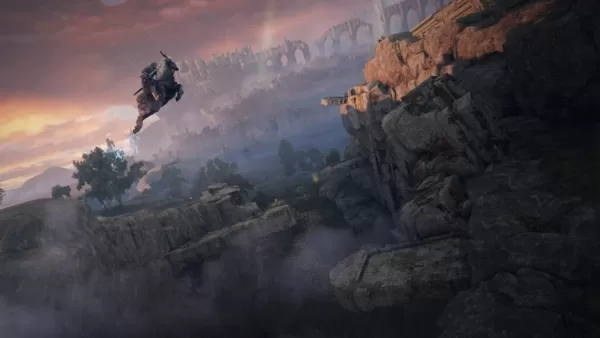
This might sound intimidating, but it's precisely what makes each discovery so satisfying. Every cave, ruin, and fortress feels like a personal find. You weren't sent there by a quest marker; you went because you were curious.
And unlike games where loot feels random, Elden Ring ensures every reward is meaningful. Stumble upon a hidden cavern, and you could emerge with a weapon that changes your playstyle or a spell that calls down a meteor storm.
The Thrill of Getting Lost (and Living to Tell the Tale)
Most games treat getting lost as a design failure. In Elden Ring, it's part of the fun. A wrong turn might lead you into a toxic swamp (because of course there's one), or a seemingly tranquil village might be a trap crawling with horrific creatures. These unpredictable moments make the world feel truly alive.
The game doesn't guide you directly, but it does leave subtle hints. A weathered statue might point toward a buried secret. An enigmatic character might offer a clue about a hidden foe. If you observe carefully, the world gently steers you without locking you into a predetermined route.
Have Open-World Games Changed Forever?
After Elden Ring, there's no going back. FromSoftware demonstrated that players don't need constant waypoints to enjoy a vast world—they crave mystery, a genuine challenge, and the excitement of uncovering secrets. We can only hope other developers are paying attention.
If you're ready to immerse yourself in a world that doesn't just encourage exploration but requires it, digital marketplaces like Eneba offer incredible deals on all things gaming. Whether it's Elden Ring or other essential titles, your next great adventure is only a few clicks away.